
car maintenance

Seasonal Car Care: Preventing Engine Overheating in Hot Weather

Summer brings warmth and long drives, but it also poses risks to vehicles. Engine overheating is a common issue during high temperatures. When the engine gets too hot, components expand, fluids degrade, and performance drops. Overheating can lead to expensive repairs or even complete engine failure. Recognizing the threat and taking proactive steps is essential for safe driving.

The Role of Engine Coolant

Coolant circulates through the engine, absorbing heat and maintaining optimal temperatures. During hot weather, coolant works harder to prevent overheating. Low levels, leaks, or degraded fluid reduce its effectiveness. Checking coolant regularly and topping up with the recommended type ensures your engine remains protected.

Inspecting the Radiator and Hoses
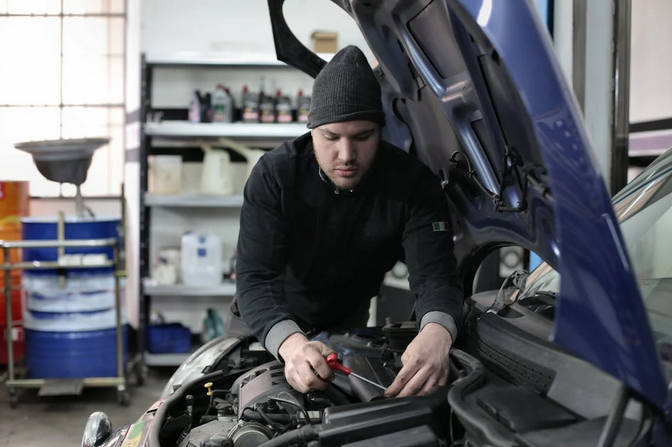
radiator

The radiator dissipates heat from the engine into the air. Its efficiency is crucial, especially in high temperatures. Hoses carry coolant between the radiator and engine. Over time, these hoses can crack, weaken, or leak. Regular inspection ensures there are no blockages, cracks, or worn connections. A functional radiator and intact hoses are unique components that directly prevent overheating.

The Importance of Engine Oil

Engine oil reduces friction between moving parts and helps regulate temperature. Old or low oil increases heat and wear, putting the engine at risk. High-quality, properly graded oil ensures smooth operation. During hot weather, consider checking oil levels more frequently. Regular oil changes are a simple but effective way to prevent unnecessary heat buildup.

Checking the Thermostat

The thermostat controls the flow of coolant through the engine. If it malfunctions, coolant may not circulate correctly, causing the engine to overheat. A stuck thermostat can create hotspots and strain the cooling system. Routine inspections help ensure that the thermostat opens and closes at the correct temperature, maintaining a stable engine environment.

Monitoring the Fan and Belts

Engine fans assist in cooling by drawing air through the radiator, particularly at low speeds or in traffic. Fan belts power these systems and other essential components. Worn or broken belts reduce efficiency and increase overheating risk. Checking belts for cracks, fraying, or looseness ensures the cooling system operates at its utmost capacity during heatwaves.

Avoiding Stressful Driving Conditions

Hot weather combined with heavy traffic, towing, or long uphill drives puts extra stress on the engine. Driving habits can influence overheating risk. Avoid idling for long periods, reduce heavy loads when possible, and take breaks on long trips. Allowing the engine to cool during high-demand conditions protects vital components and prolongs engine life.

Seasonal Maintenance Tips

Preparing your car for summer goes beyond daily checks. Flush the cooling system periodically to remove debris and old fluid. Replace worn hoses, belts, and the thermostat as needed. Ensure tire pressure is correct, as overheating can also affect tire performance. Keeping windows slightly cracked in traffic or parking in shaded areas reduces heat buildup inside the car, indirectly supporting engine performance. Consistent seasonal maintenance ensures your vehicle stays reliable and reduces the risk of overheating when temperatures soar.

Engine overheating in hot weather is preventable with attention to coolant, oil, radiator function, and overall vehicle condition. Regular inspections, mindful driving habits, and proactive maintenance create a safer and more reliable driving experience. By taking these steps, car owners protect their engines, avoid costly repairs, and enjoy summer drives with confidence. Hot weather does not have to mean engine trouble when seasonal car care is prioritized.…

Tips to Consider Before Driving a Supercar

Driving a supercar is an exhilarating experience that combines luxury, power, and performance. However, getting behind the wheel of one of these high-performance machines comes with a unique set of responsibilities and challenges. Supercars are designed to deliver incredible speed and precision, and it’s important to approach them with care and preparation. Whether you’re renting one for a special occasion or lucky enough to own one, there are key considerations to guarantee your safety and the full enjoyment of the drive.

Familiarize Yourself with the Car’s Features

Supercars come with advanced technology and features that differ significantly from regular vehicles. From unique driving modes and complex gear systems to high-tech navigation and performance monitors, understanding how these features work is crucial before taking a supercar out for a spin. Spend time reviewing the owner’s manual and, if possible, ask for a demonstration of key controls.

Be Mindful of Speed and Handling

Supercars are designed for speed, and they can accelerate faster than you might expect. The temptation to push the car to its limits is strong, but maintaining control is essential, especially if driving on public roads. These vehicles often have potent engines capable of reaching very high speeds quickly, so gradually getting used to the car’s acceleration and braking is key to ensuring a safe ride.

Supercars have a lower center of gravity and improved suspension systems, which affect their handling. While they can corner at faster speeds, it is critical to recognize the vehicle’s limitations. It’s usually a good idea to practice driving in a controlled setting like a racing track to acquire a feel for the car’s capabilities before pushing it too hard on public roads.

Consider Road Conditions and Location

Supercars are built for smooth roads and controlled environments, so consider where you’ll drive. Potholes, rough surfaces, and speed bumps can damage a supercar more than a regular vehicle due to their low ground clearance. When driving in urban areas or on unfamiliar roads, it’s important to be extra cautious. Even a small bump can cause significant damage to the underside of the car.

Insurance and Legal Considerations

Driving a supercar often requires specific insurance coverage due to the vehicle’s high value and performance capabilities. Before getting behind the wheel, it’s crucial to ensure that you have adequate insurance, whether through ownership or rental. Check for coverage that includes collision, liability, and comprehensive protection, as repairs for supercars can be costly.

Conclusion

Driving a supercar is a thrilling experience that many car enthusiasts dream of. However, it’s important to approach these high-performance machines with respect and preparation. Familiarizing yourself with the car’s features, understanding how to handle its speed and performance, and considering road conditions are essential to ensure safety and enjoyment. By following these tips and respecting the power of the car, you can fully appreciate the unique experience of driving a supercar while minimizing risks.…

car keys

Car Insurance and Rental Cars: Do You Need Additional Coverage?

Picture this: you’re on vacation, exploring a new city, and you decide to rent a car for added convenience. As you stand at the rental car counter, you’re faced with an important question. Do you need additional insurance coverage for the rental car? It’s a common dilemma for travelers. You can also ask for cheap car insurance quotes online. To help you make an informed decision, let’s delve into the world of car insurance and rental cars and whether you really need that extra coverage.

Your Existing Car Insurance

First, let’s consider your existing car insurance. If you already have a personal auto insurance policy, it often extends coverage to rental cars. This means that the liability and property damage coverage you carry on your own vehicle typically applies when you rent a car. This primary coverage can be a significant advantage, potentially saving you from buying overlapping coverage. However, it’s important to check with your insurance provider to confirm that rental cars are covered under your policy. Some policies may have exclusions or limitations for rental car coverage, such as only covering rentals within the U.S.

Collision Damage Waiver (CDW) or Loss Damage Waiver (LDW)

One of the first things you’ll encounter at the rental car counter is the Collision Damage Waiver (CDW) or Loss Damage Waiver (LDW). These are not insurance policies but rather waivers that relieve you of financial responsibility if the rental car is damaged or stolen. They can cost around $10 to $30 per day. This may seem like a good deal compared to paying for potential damages out-of-pocket, but keep in mind that your personal car insurance may already cover these expenses. It’s worth checking with your insurance provider before purchasing this waiver.

Do You Need CDW or LDW?

Here are some factors to consider when deciding if you need the CDW or LDW:

  • Your Existing Coverage: Check with your auto insurance provider to see if your policy covers rental cars. If it does, you might not need the CDW or LDW.
  • Your Credit Card Coverage: Some credit cards offer rental car insurance as a cardholder benefit. It’s worth checking with your credit card company to see if this coverage is available to you.
  • The Value of Your Rental Car: If you’re renting an expensive or luxury vehicle, the CDW or LDW might be more appealing, as you’d have added protection in case of an accident.
  • Your Risk Tolerance: If you’re concerned about the potential hassle of dealing with a claim through your auto insurance, the CDW or LDW can provide peace of mind.

Whether you need additional insurance coverage for a rental car largely depends on your existing auto insurance, credit card benefits, the value of the rental car, and your comfort level with potential risks. It’s advisable to review your auto insurance policy and speak with your insurance provider and credit card company to understand your existing coverage.…

car engine

Tips to Prevent Car Engine from Overheating

If you’re like most drivers, you probably don’t think about your car’s engine until there’s a problem. And one of the most common problems is overheating. If your engine overheats, it can cause serious damage that can be expensive to repair. There have even been cases in which the car has caught on fire. This is something that you need to avoid. Here, we will discuss some tips to help prevent your car engine from overheating.

Inspect Coolant Level

coolant levelThe first tip is to check the coolant level in your car regularly. Coolant, also known as antifreeze, helps regulate your engine’s temperature. If the coolant level is low, it can lead to overheating. Check your owner’s manual for instructions on how and when to check the coolant level in your specific make and model of car. If the level is low, add more coolant. This way, you can avoid overheating and potential damage to your engine.

Inspect Radiator Cap

The second tip is to inspect your radiator cap. The radiator cap helps maintain the pressure and proper temperature in the radiator and engine coolant system. If the seal on the cap is worn or damaged, it can lead to overheating. Inspect your radiator cap regularly and replace it if necessary. You can purchase many replacement caps at your local auto parts store. If you are on a budget, ask for the generic brand, as they often cost less.

Replace the Air Filter

air filterThe third tip is to replace the air filter in your car regularly. A dirty air filter is known to affect airflow, causing your engine to work harder and potentially overheat. There is a specific number of miles that your air filter should be replaced, but it can also depend on the conditions you drive. If you often drive on dirt roads or in a heavily polluted city, you may need to replace it more frequently. This way, you can ensure proper airflow to your engine and prevent overheating. The air filter is something that some drivers do not pay much attention to.

Check Hoses for Cracks

The fourth tip is to inspect the hoses in your engine for cracks or leaks. These hoses are responsible for carrying coolant, and if they have a crack or leak, it can lead to a loss of coolant and overheating. Make sure to check all hoses regularly and replace any that show signs of damage. You can take your car to a mechanic to have them inspected, or if you are comfortable doing so, inspect and replace the hoses yourself. But, it is essential to do so to prevent overheating and potential damage to your engine.

car engineAlthough there are many reasons why a car engine may overheat, following the preventive tips we’ve outlined can help you avoid this problem. If your engine overheats, pull over to a safe location and call for assistance. By being proactive and using these tips as preventative maintenance, you can save yourself time and money in the long run. Have you ever had to deal with an overheated car engine? What tips do you have to share? Let us know in the comments below…

car check

How to Test Drive and Check a Used Car

When buying a used car, you should understand that it should be test-driven and as well as inspected. For those buyers who are buying their used car privately, these are crucial tasks that you should consider. If you are purchasing a used car for the first time, read this post to find out how to check and test-drive a used vehicle.

1. Car Registration

Before you purchase your vehicle, make sure that you emphasize more on car reg check. Make sure that you are buying a car that is registered. Remember that even professional car dealers can manage to sell you a stolen car. You should avoid such incidences and look for a vehicle that is legally registered.

2. Interior Checks

When you are checking on the interior and exterior parts of a vehicle, there are a lot of things that you need to check. First, you should start with the trim and seats. If you see any sign of damage, make sure that you discuss it with the seller. When checking the interior part, check if the panels fit correctly, all the electric lights if they are working correctly and do not forget to check if the windscreen has cracks.

3. The Engine

oil checkBefore you buy a used car, take your time to check on the engine. If you have limited car knowledge, look for a professional mechanic that can help you to check on the engine. Remember that the engine car acts as the heart of your vehicle. Therefore, you need to ensure that you are buying a vehicle that has no engine problems. By doing this, you will have the right car.

4. Safety Features

After you have identified that every part in the car that you intend to purchase is functioning correctly, it’s time to test-drive it. The first step that you need to consider is checking with your insurance company and check if you are covered to drive another vehicle. If you find out that you are not, make sure that you arrange a temporary cover.

5. Test-Drive

After you have checked all the safety features that you need, the next step is to test-drive the car. You can go with your close friend who will help you to make the right decisions. Also, it is advisable to do this during the daytime. It is crucial to test-drive your vehicle at this time because you can identify all the parts that are not functioning correctly.…