

Summer brings warmth and long drives, but it also poses risks to vehicles. Engine overheating is a common issue during high temperatures. When the engine gets too hot, components expand, fluids degrade, and performance drops. Overheating can lead to expensive repairs or even complete engine failure. Recognizing the threat and taking proactive steps is essential for safe driving.
The Role of Engine Coolant
Coolant circulates through the engine, absorbing heat and maintaining optimal temperatures. During hot weather, coolant works harder to prevent overheating. Low levels, leaks, or degraded fluid reduce its effectiveness. Checking coolant regularly and topping up with the recommended type ensures your engine remains protected.
Inspecting the Radiator and Hoses
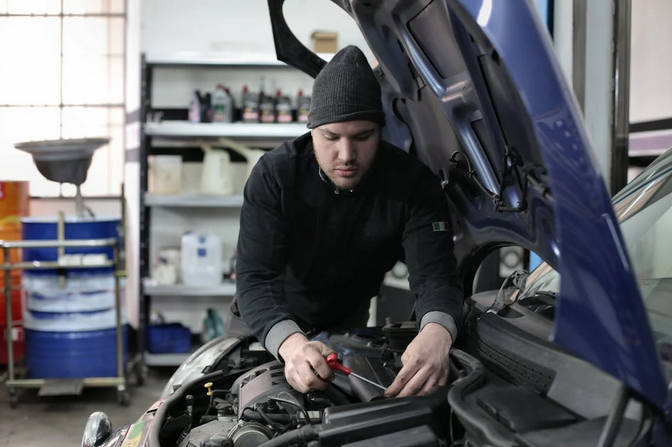
The radiator dissipates heat from the engine into the air. Its efficiency is crucial, especially in high temperatures. Hoses carry coolant between the radiator and engine. Over time, these hoses can crack, weaken, or leak. Regular inspection ensures there are no blockages, cracks, or worn connections. A functional radiator and intact hoses are unique components that directly prevent overheating.
The Importance of Engine Oil
Engine oil reduces friction between moving parts and helps regulate temperature. Old or low oil increases heat and wear, putting the engine at risk. High-quality, properly graded oil ensures smooth operation. During hot weather, consider checking oil levels more frequently. Regular oil changes are a simple but effective way to prevent unnecessary heat buildup.
Checking the Thermostat
The thermostat controls the flow of coolant through the engine. If it malfunctions, coolant may not circulate correctly, causing the engine to overheat. A stuck thermostat can create hotspots and strain the cooling system. Routine inspections help ensure that the thermostat opens and closes at the correct temperature, maintaining a stable engine environment.
Monitoring the Fan and Belts
Engine fans assist in cooling by drawing air through the radiator, particularly at low speeds or in traffic. Fan belts power these systems and other essential components. Worn or broken belts reduce efficiency and increase overheating risk. Checking belts for cracks, fraying, or looseness ensures the cooling system operates at its utmost capacity during heatwaves.
Avoiding Stressful Driving Conditions

Hot weather combined with heavy traffic, towing, or long uphill drives puts extra stress on the engine. Driving habits can influence overheating risk. Avoid idling for long periods, reduce heavy loads when possible, and take breaks on long trips. Allowing the engine to cool during high-demand conditions protects vital components and prolongs engine life.
Seasonal Maintenance Tips
Preparing your car for summer goes beyond daily checks. Flush the cooling system periodically to remove debris and old fluid. Replace worn hoses, belts, and the thermostat as needed. Ensure tire pressure is correct, as overheating can also affect tire performance. Keeping windows slightly cracked in traffic or parking in shaded areas reduces heat buildup inside the car, indirectly supporting engine performance. Consistent seasonal maintenance ensures your vehicle stays reliable and reduces the risk of overheating when temperatures soar.
Engine overheating in hot weather is preventable with attention to coolant, oil, radiator function, and overall vehicle condition. Regular inspections, mindful driving habits, and proactive maintenance create a safer and more reliable driving experience. By taking these steps, car owners protect their engines, avoid costly repairs, and enjoy summer drives with confidence. Hot weather does not have to mean engine trouble when seasonal car care is prioritized.…

